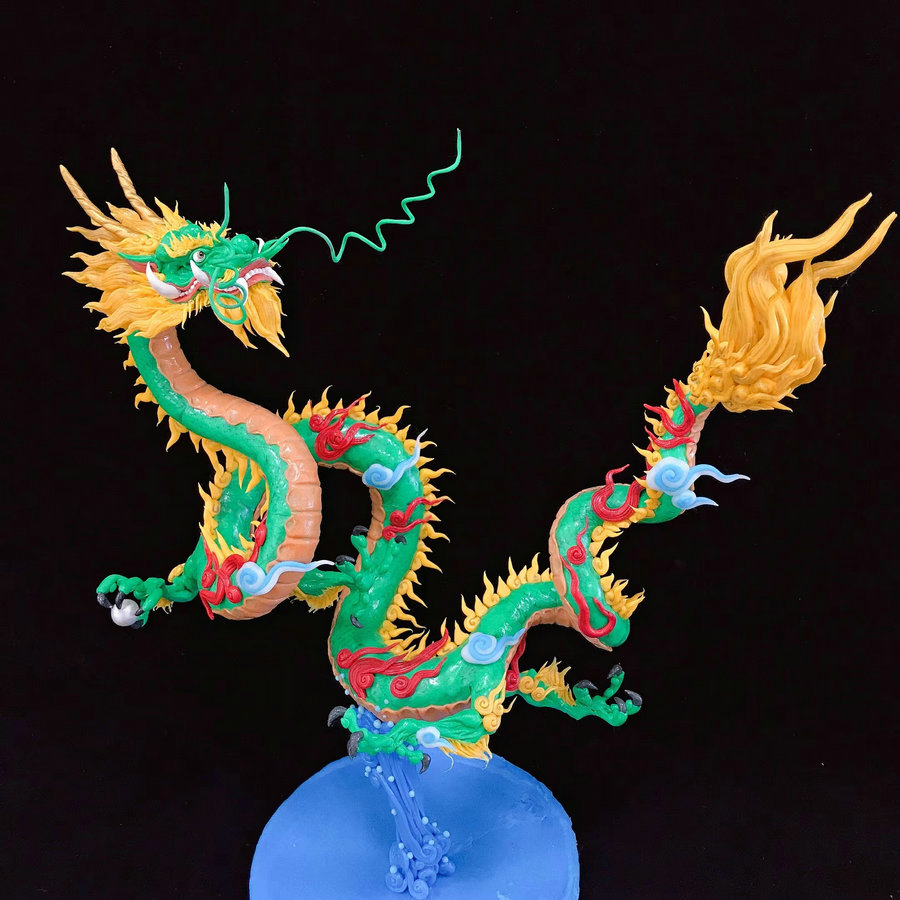
Dough Sculpting
Introduction
Dough sculpting, also known as dough modeling or dough art, is a traditional art form that involves the creation of intricate figures and models using dough as the primary material. This form of sculpting is considered a national intangible cultural heritage in China, highlighting its cultural significance and historical value. Its roots can be traced back to various regions across China, where it has been practiced for generations, often passed down through families of skilled artisans.
Historical Background
The tradition of dough sculpting has a rich history, originating from various parts of China. In Heze city, Shandong province, the Caozhou dough figurines are particularly famous, thanks to pioneers like Li Fangqing. The art form has been cherished and preserved by families like Li's, with subsequent generations, including Li Bin, continuing to promote and preserve this cultural heritage. Li Bin has been instrumental in ensuring that the younger generation remains engaged with this traditional art, blending modern elements to maintain its relevance.
Techniques and Materials
The primary material for dough sculpting is wheat flour dough, which is mixed with water to achieve the desired consistency. The dough is then shaped and molded into various figures using a range of techniques. Artisans employ their skills to create detailed and intricate designs, sometimes incorporating vibrant colors and additional materials to enhance the visual appeal of the sculptures. The process requires a deep understanding of the material, as well as artistic creativity and precision.
Cultural Significance
Dough sculpting serves as a cultural expression, reflecting the unique traditions and stories of Chinese society. This art form involves creating vivid three-dimensional models that often portray historical, mythical, or folk characters, as well as animals and plants. The practice is not only a form of artistic expression but also a means to convey cultural narratives and historical significance, making it a living piece of China's intangible cultural heritage.
Modern Development
Despite its cultural significance, dough sculpting faces challenges in terms of preservation and continuity. The intricacy of the techniques and the dedication required to master them make it difficult to attract and retain new practitioners. However, efforts by artisans, cultural organizations and government initiatives aim to address these challenges. Workshops, cultural festivals and educational programs are being implemented to ensure that this traditional art form continues to thrive and evolve, passing from one generation to the next.








